Revised MRPs post GST rate reduction, effective 22nd September – Making healthcare more affordable. Learn More

HERBICIDE

/ HERBICIDE
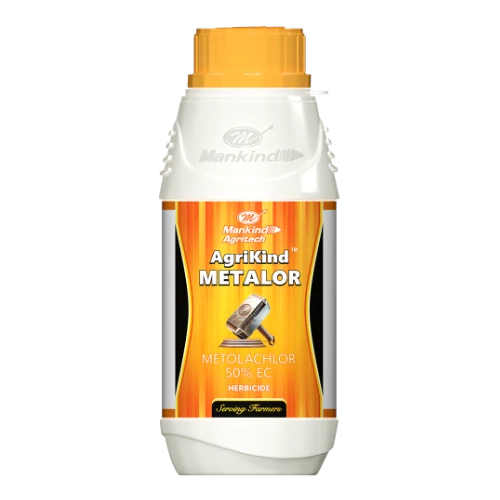
AGRIKIND  METALOR

AGRIKIND METALOR

Metolachlor 50% EC

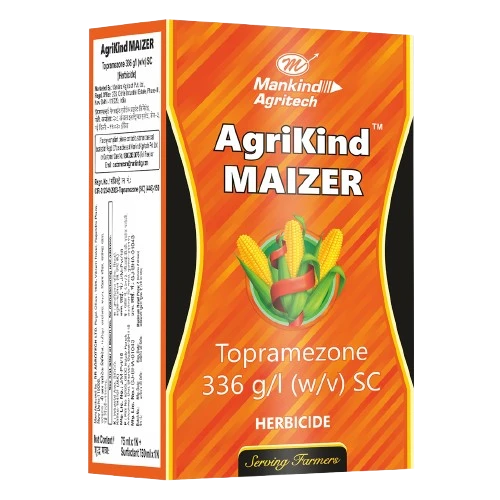
AGRIKIND MAIZER

AGRIKIND MAIZER

Topramezone 33.6 % SC

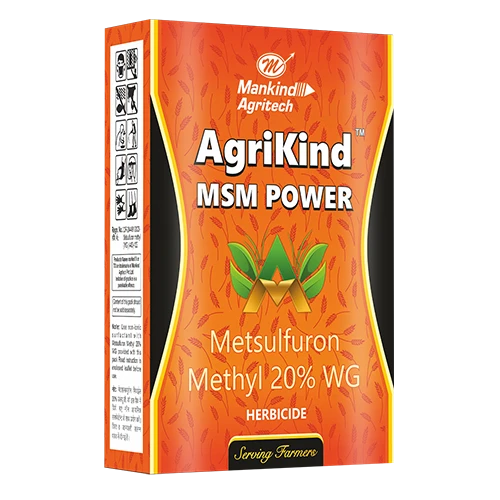
AGRIKIND MSM POWER

AGRIKIND MSM POWER

Mestsulfuron Methyl 20% WG

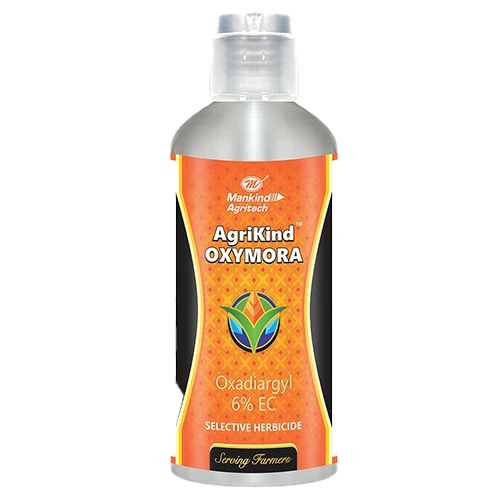
AGRIKIND OXYMORA

AGRIKIND OXYMORA

OXADIARGYL 6% EC

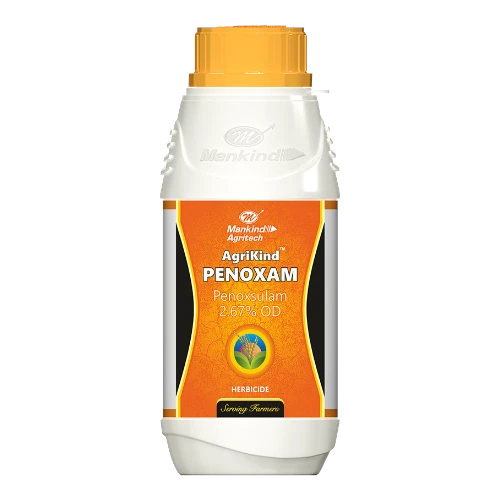
AGRIKIND PENOXAM

AGRIKIND PENOXAM

PENOXSULAM 2.67 OD

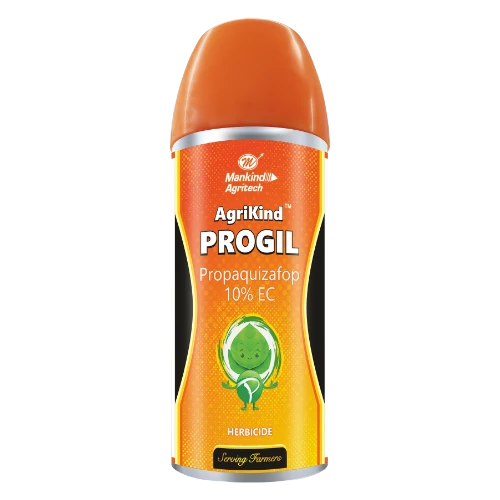
AGRIKIND PROGIL

AGRIKIND PROGIL

PROPAQUIZAFOP 10% EC

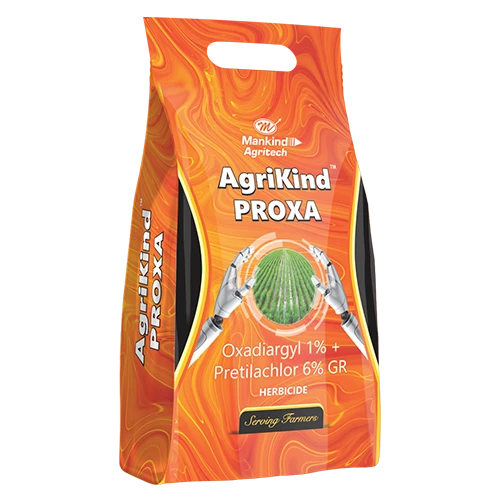
AGRIKIND PROXA

AGRIKIND PROXA

Pretilachlor 6% + Oxadiargyl 1% GR

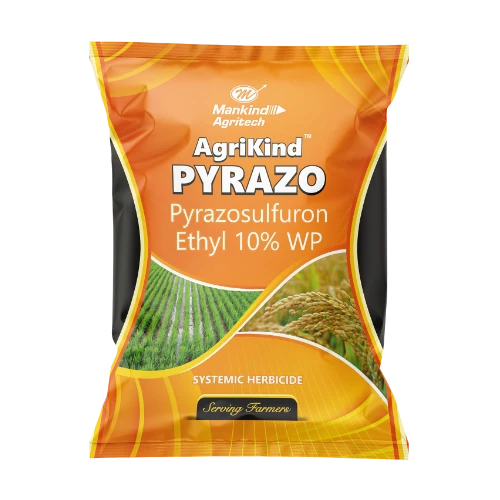
AGRIKIND PYRAZO

AGRIKIND PYRAZO

Pyrazosulfuron Ethyl 10% WP

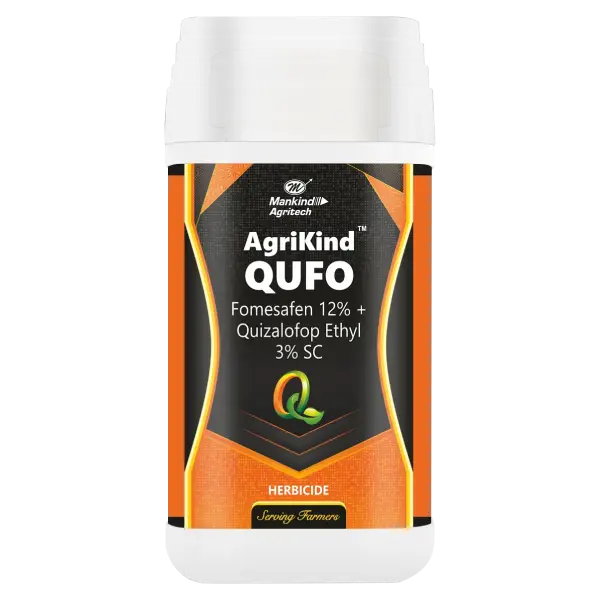
AGRIKIND QUFO

AGRIKIND QUFO

Quizalofop ethyl 3 % + Fomesafen 12% SC
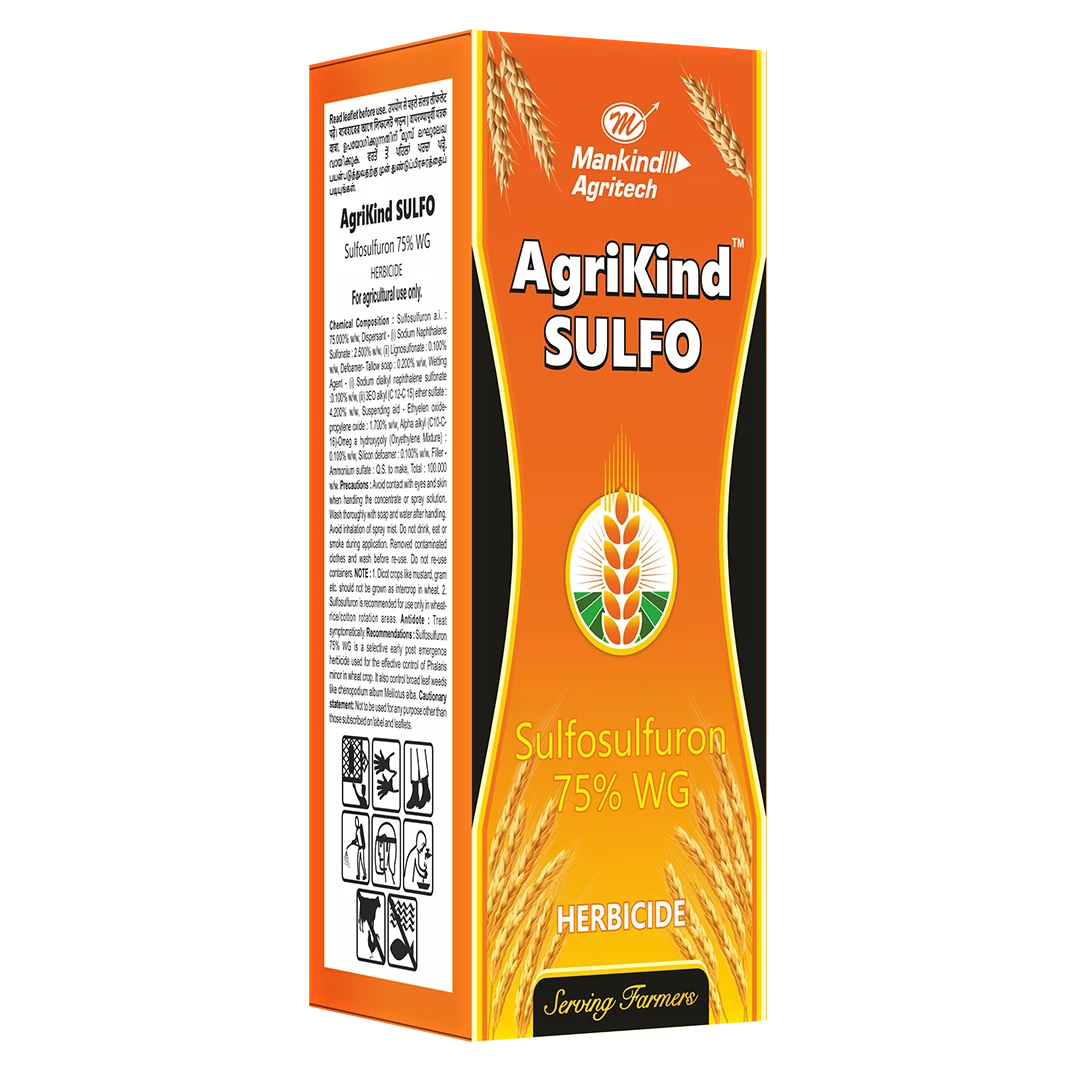
AGRIKIND SULFO

AGRIKIND SULFO

Sulfosulfuron 75% W.G

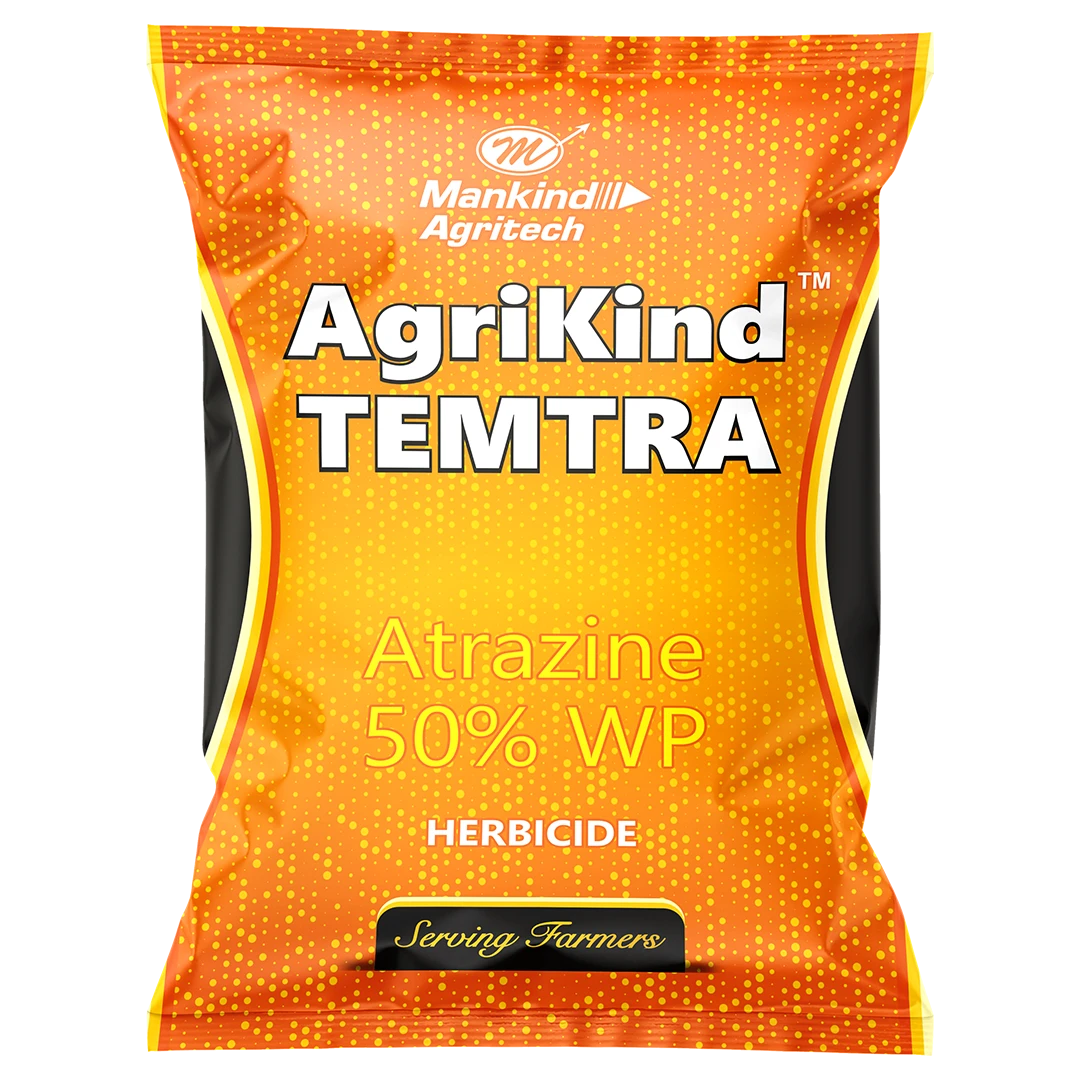
AGRIKIND TEMTRA

AGRIKIND TEMTRA

Atrazine 50% WP

AMIHUGE

AMIHUGE

2,4-D Amine Salt 58% SL

AMIHUGE ESTER

AMIHUGE ESTER

2, 4-D Ethyl Ester 38% E.C.

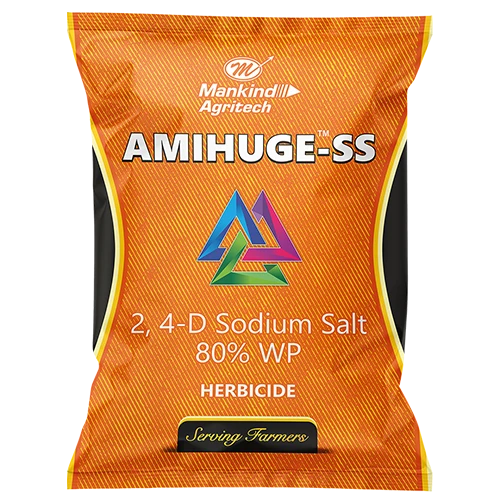
AMIHUGE SS

AMIHUGE SS

2,4-D Sodium Salt 80%

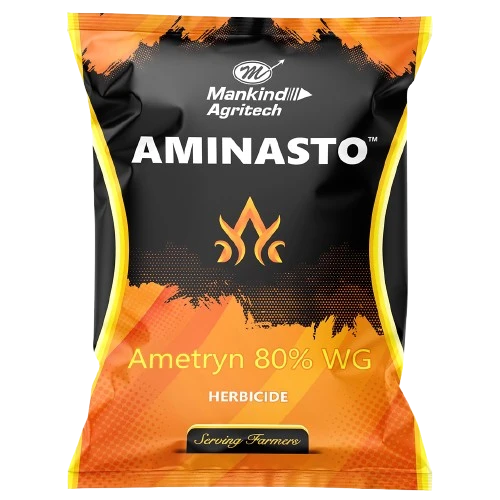
AMINASTO

AMINASTO

Ametryne 80% WDG

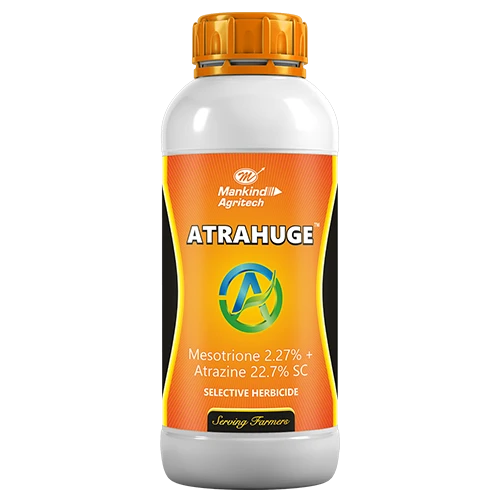
ATRAHUGE

ATRAHUGE

Mesotrione 2.27% w/w + Atrazine 22.7% w/w SC
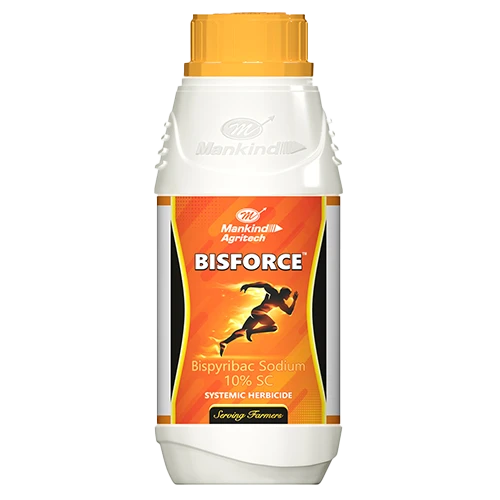
BISFORCE

BISFORCE

Bispyribac Sodium 10% SC

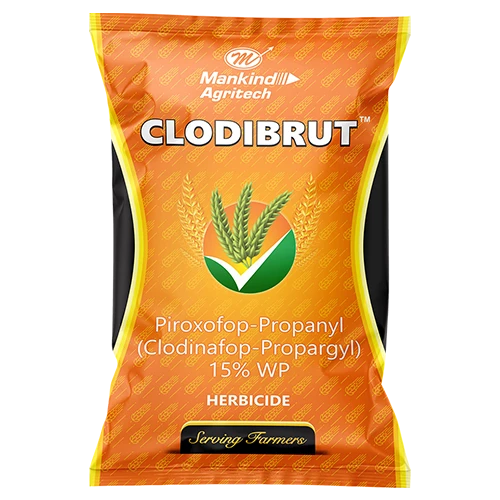
CLODIBRUT

CLODIBRUT

Clodinafop Propargyl 15% WP

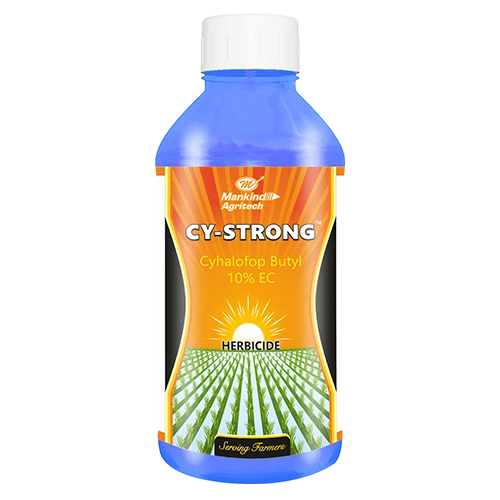
CY STRONG

CY STRONG

Cyhalofop butyl 10 EC

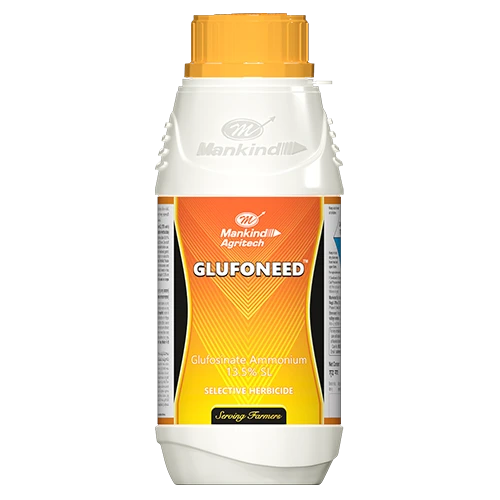
GLUFONEED

GLUFONEED

Glufosinate Ammonium 13.5% W/W SL

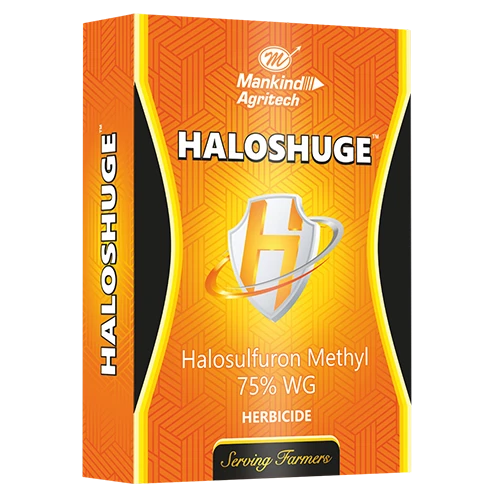
HALOSHUGE

HALOSHUGE

Halosulfuron 75% WG

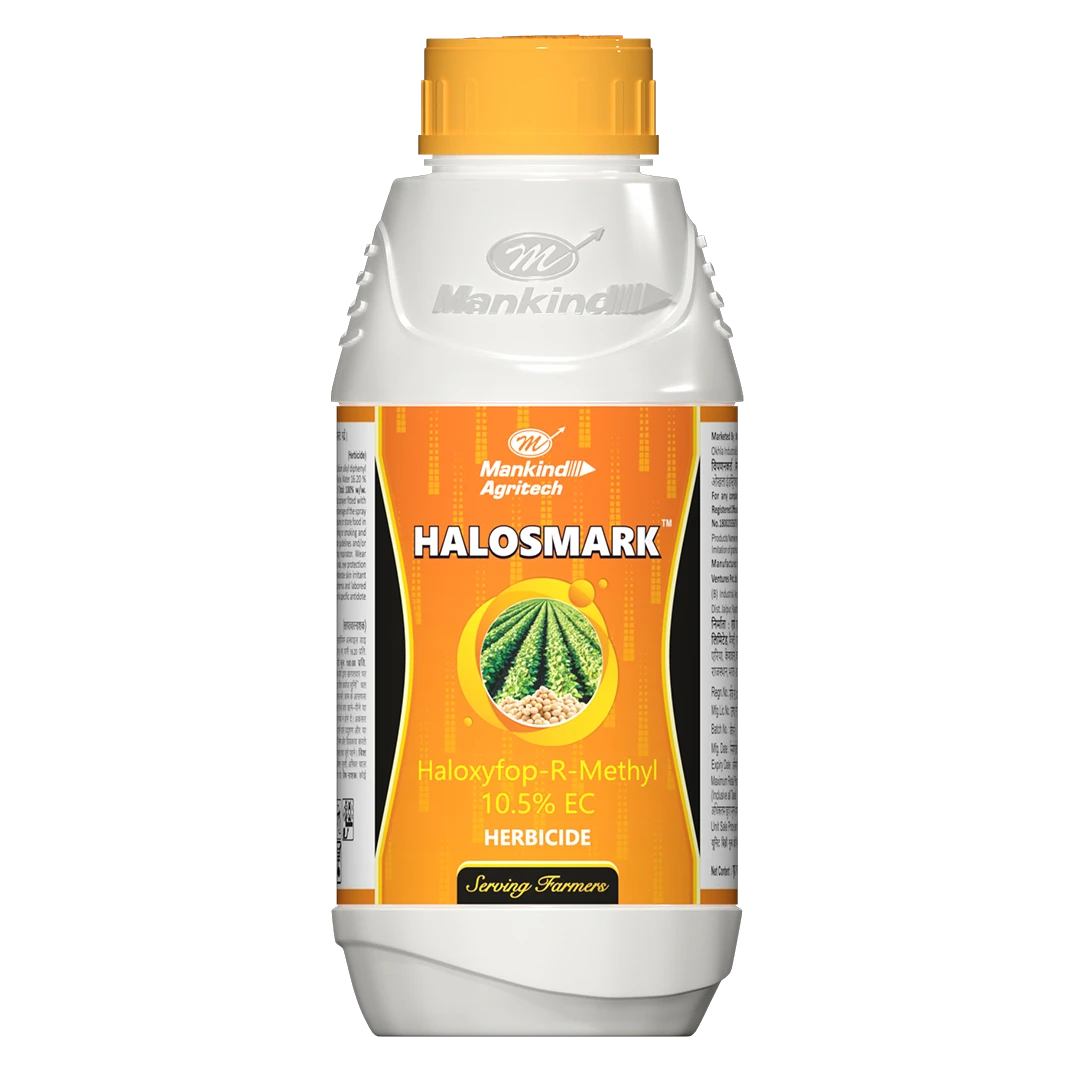
HALOSMARK

HALOSMARK

Haloxyfop-R-Methyl 10.5% EC

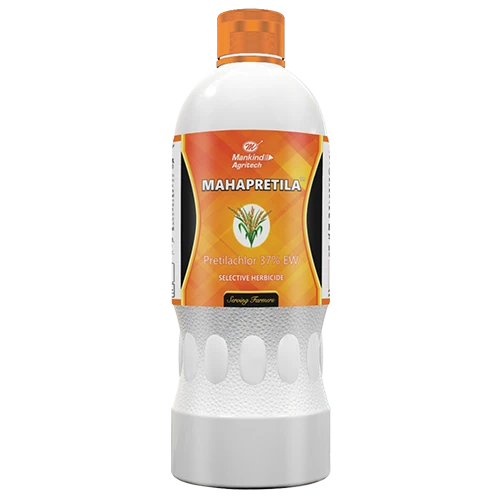
MAHAPRETILA

MAHAPRETILA

Pretilachlor 37% EW

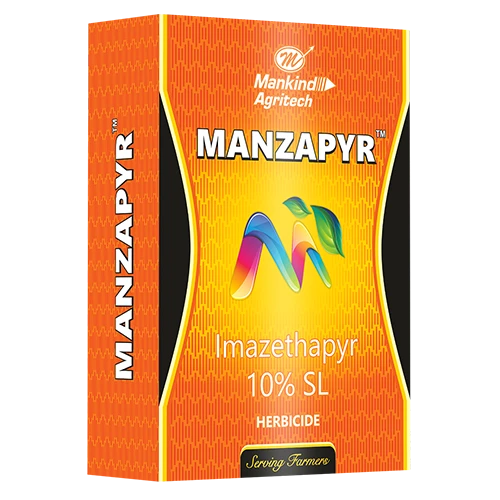
MANZAPYR

MANZAPYR

Imazethapyr 10 SL

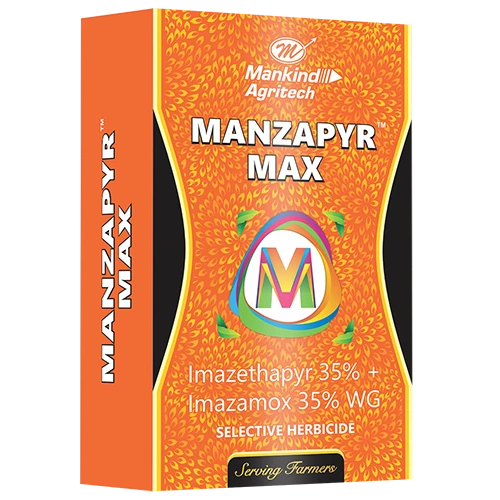
MANZAPYR MAX

MANZAPYR MAX

Imazamox 35% + Imazethapyr 35% WDG

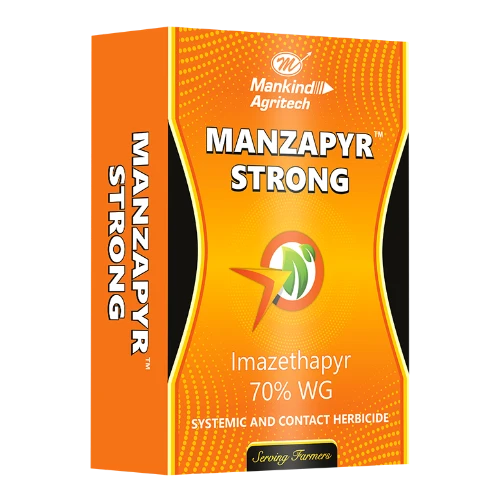
MANZAPYR STRONG

MANZAPYR STRONG

Imazethapyr 70 WG

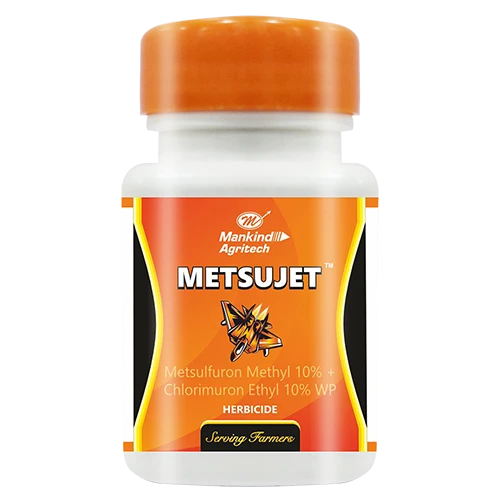
METSUJET

METSUJET

Metsulfuron Methyl 10% + Chlorimuron Ethyl 10% WP
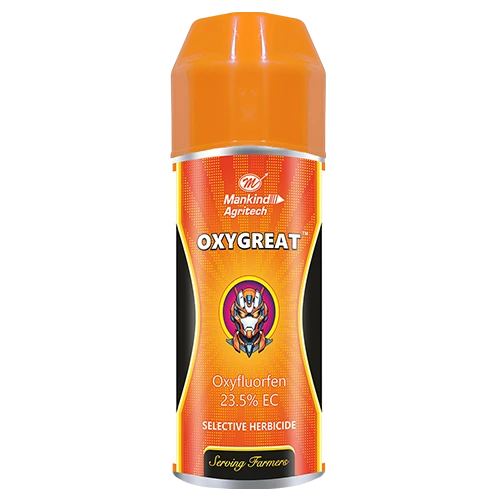
OXYGREAT

OXYGREAT

Oxyfluorfen 23.5% EC

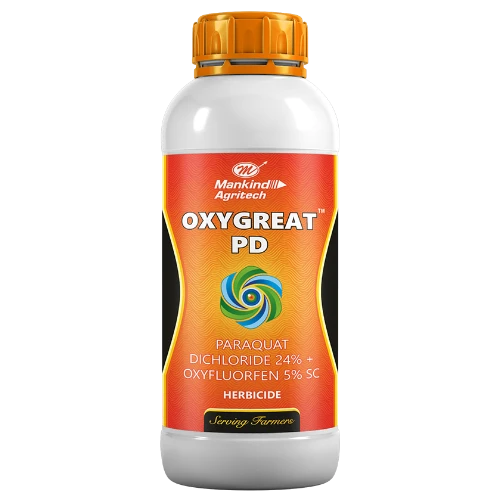
OXYGREAT-PD

OXYGREAT-PD

Paraquat dichloride 24% + Oxyfluorfen 5% SC
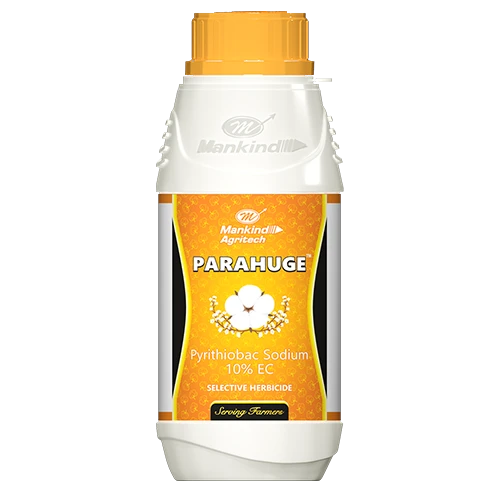
PARAHUGE

PARAHUGE

Pyrithiobac Sodium 10% EC​​​

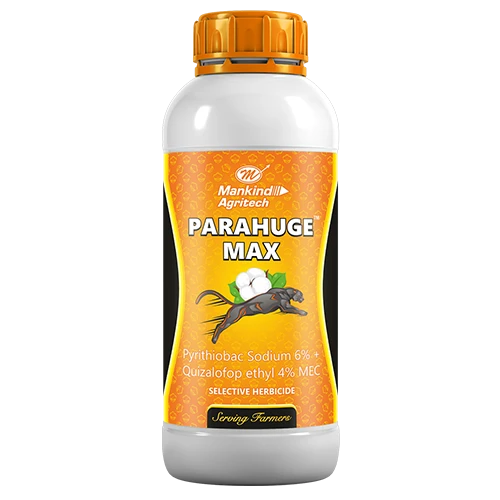
PARAHUGE MAX

PARAHUGE MAX

Pyrithiobac Sodium 6% + Quizalofop Ethyl 4% MEC
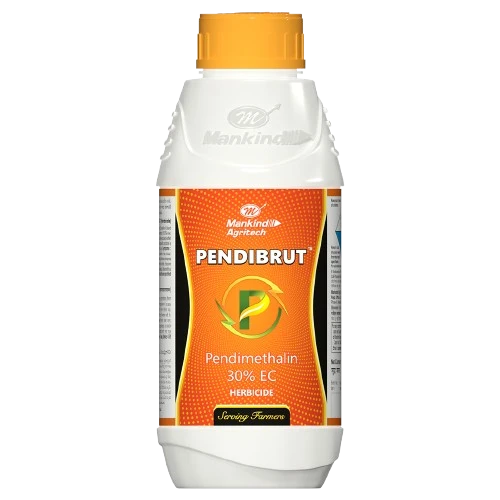
PENDIBRUT

PENDIBRUT

Pendimethalin 30% EC

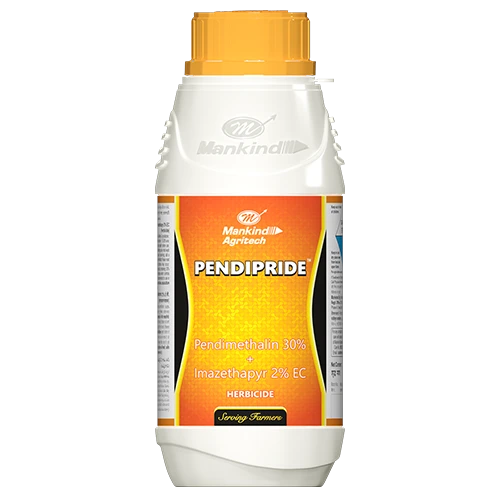
PENDIPRIDE

PENDIPRIDE

Pendimethalin 30% + Imazethapyr 2%

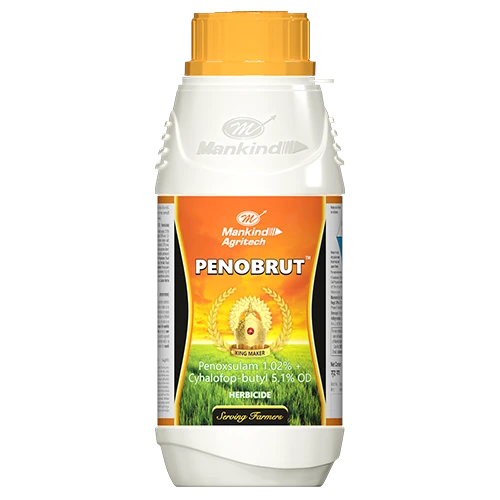
PENOBRUT

PENOBRUT

Penoxsulam + cyhalofop-butyl (premix)
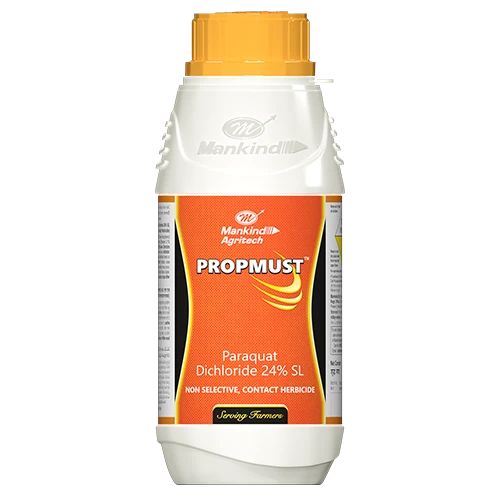
PROPMUST

PROPMUST

Paraquat dichloride 24% SL

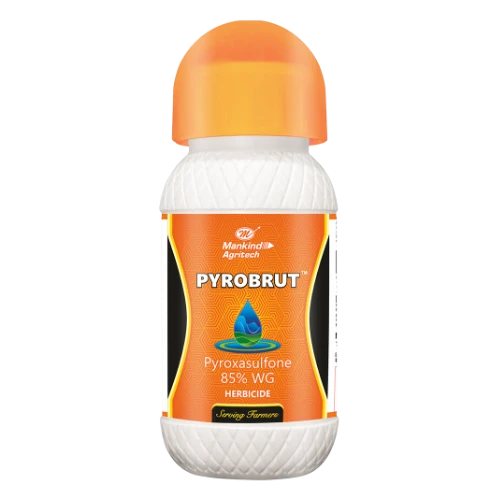
PYROBRUT

PYROBRUT

Pyroxasulfone 85% WG

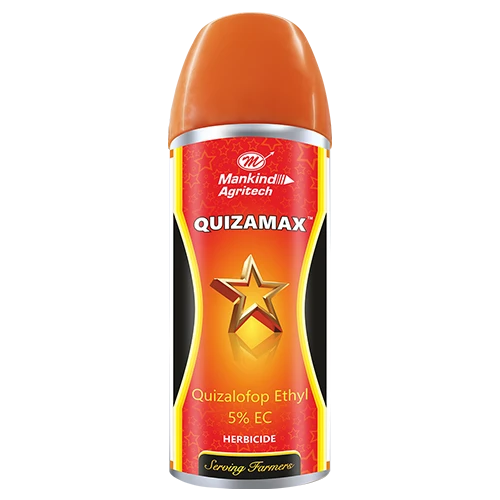
QUIZAMAX

QUIZAMAX

Quizalofop Ethyl 5% EC

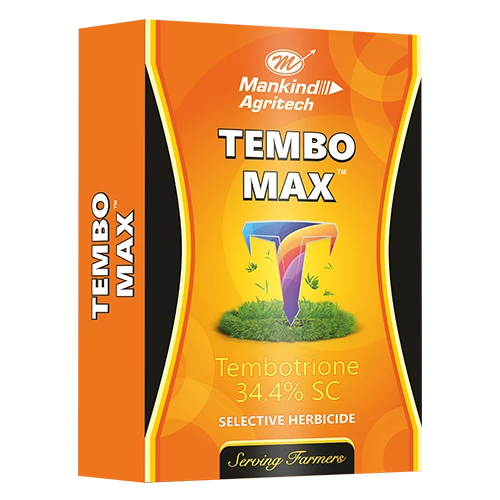
TEMBO MAX

TEMBO MAX

Tembotrione 34.4% SC + 400 gm Surfactant

Advanced Weed Management Solutions for Better Crop Yields

Weed competition is one of the leading causes of yield loss in Indian farming, making effective weed management a critical part of modern agriculture. Mankind Agritech provides a wide range of herbicide solutions designed to control both narrow-leaf and broad-leaf weeds across major crops including paddy, wheat, maize, soybean, cotton, and sugarcane. Our herbicides are developed to deliver fast and effective weed control while being safe for the target crop when used as directed. We understand the diverse cropping patterns and weed challenges across different regions of India, and our solutions are suited to a variety of soil types and…

See more

FAQs

Pre-emergent herbicides are applied to the soil before weed seeds germinate and are effective in preventing weed establishment. Post-emergent herbicides are applied after weeds have already sprouted and are used to control existing weed growth. The choice between the two depends on the weed type, crop growth stage, and the recommended window of application.
Selecting the right herbicide depends on the type of weeds present (grassy, broadleaf, or sedges), the crop being grown, and the stage of weed growth. It is advisable to consult your local agricultural extension officer or an agronomist, and always read the product label to confirm the registered crop and weed spectrum before application.
Yes, incorrect application of herbicides — such as wrong dosage, wrong timing, or applying to an unregistered crop — can cause crop phytotoxicity (crop damage). Always follow the label directions strictly, use calibrated sprayers, and apply under appropriate weather conditions to avoid drift and off-target damage.
This varies by product and is mentioned on the product label as the plant-back interval or residual activity period. Some herbicides break down quickly in the soil while others may persist for several weeks. Following the recommended interval ensures that the next crop is not affected by residual herbicide activity in the soil.
Herbicides approved under India's Insecticides Act are evaluated for their degradation profile and environmental impact. When used as per label recommendations and with proper crop rotation practices, herbicides do not cause long-term harm to soil biology. Sustainable weed management often involves integrating herbicide use with cultural practices such as crop rotation and inter-cultivation.