
Revised MRPs post GST rate reduction, effective 22nd September – Making healthcare more affordable. Learn More
 /
FUNGICIDE
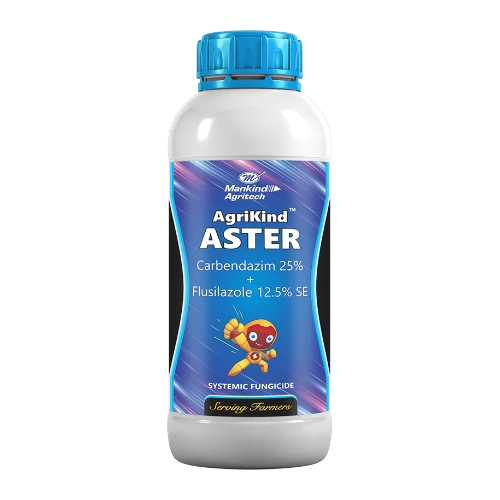
Flusilazole 12.5% + Carbendazim 25 % SE
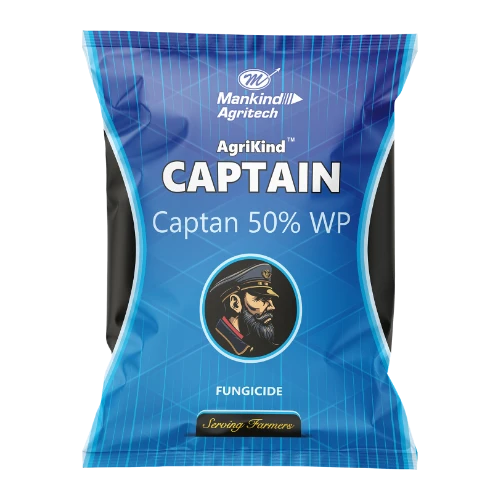
CAPTAN 50% WP
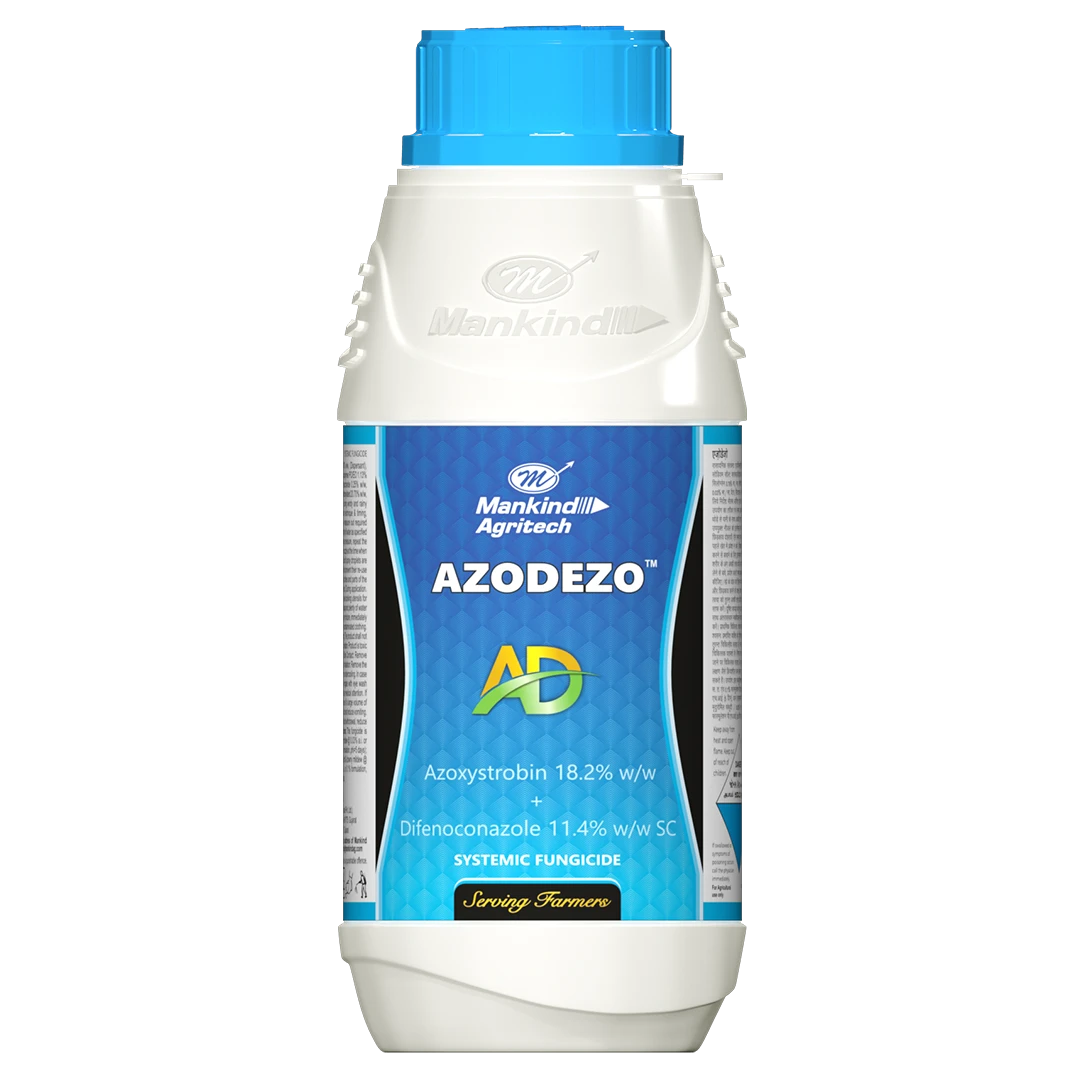
Azoxystrobin 18.2% + Difenoconazole 11.4% W/W SC
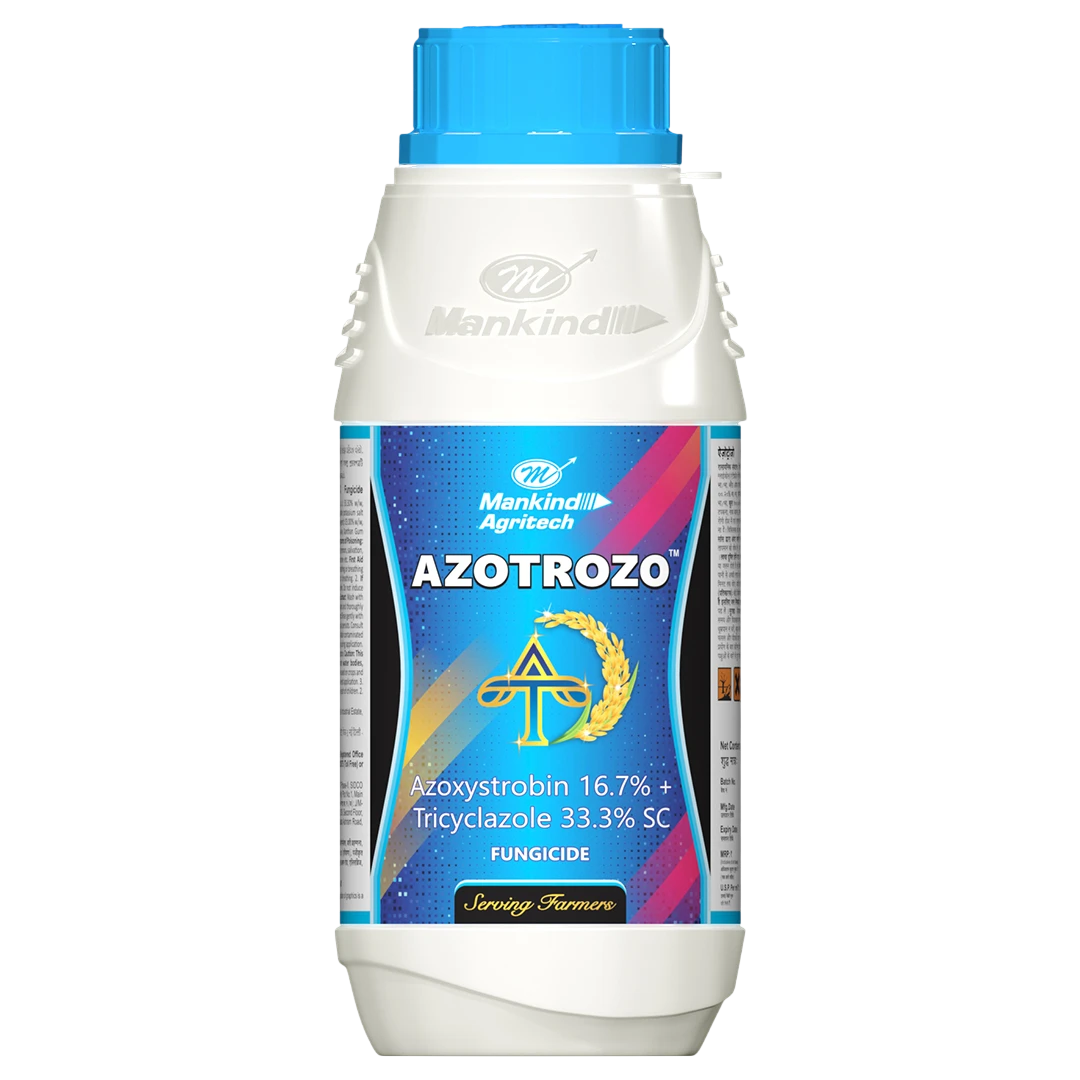
Azoxystrobin 16.7% + Tricyclazole 33.3%
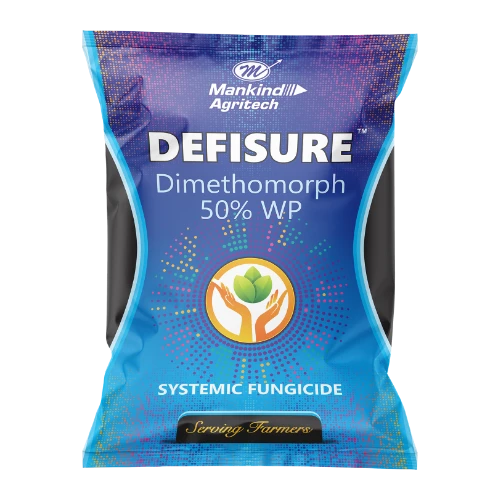
Dimethomorph 50% WP
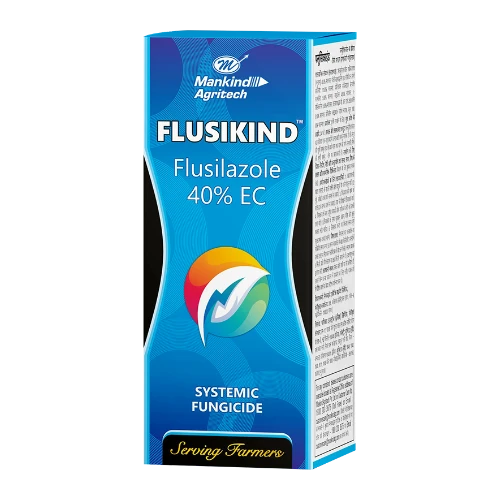
Flusilazole 40% EC
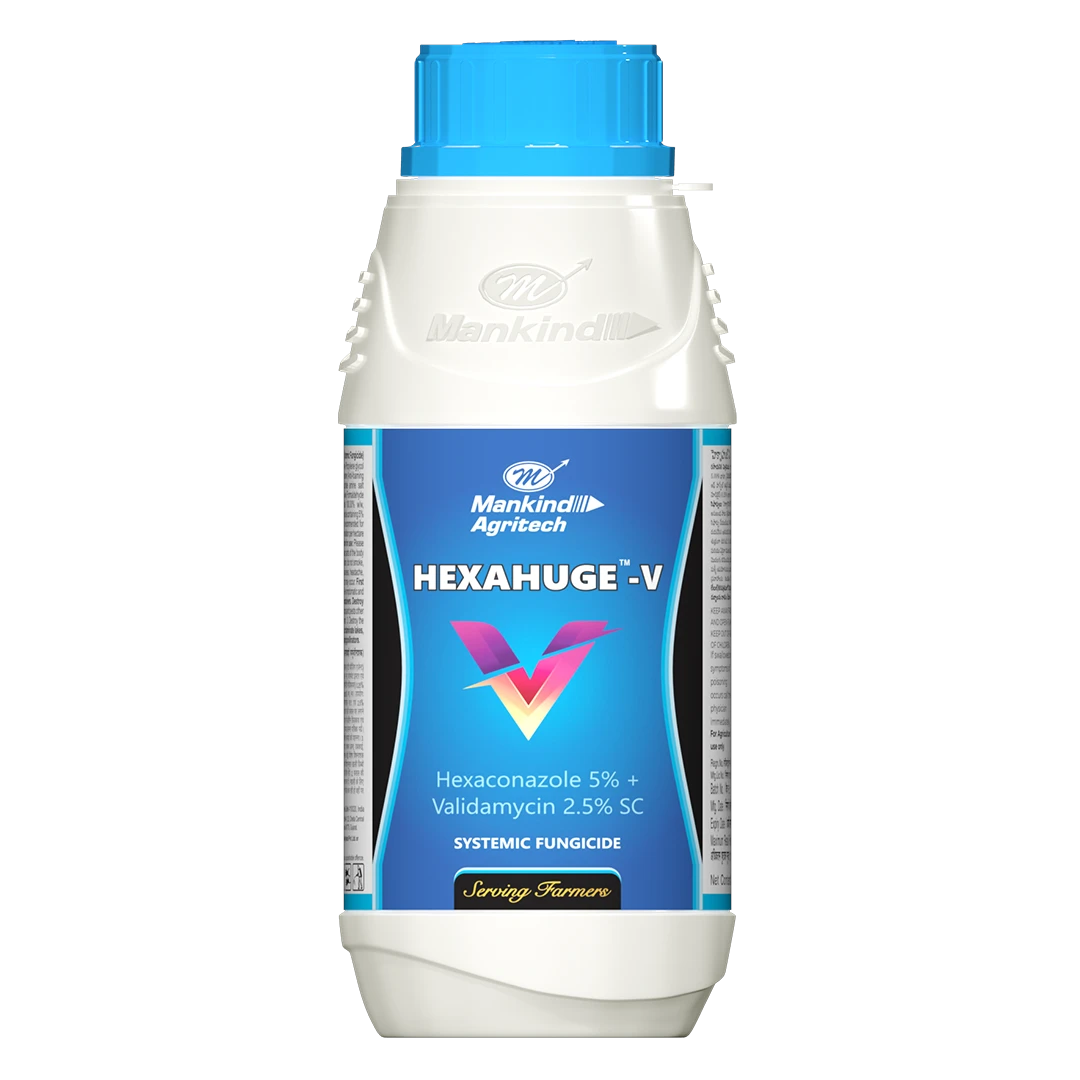
Hexaconazole 5.00% + Validamycin 2.50% SC
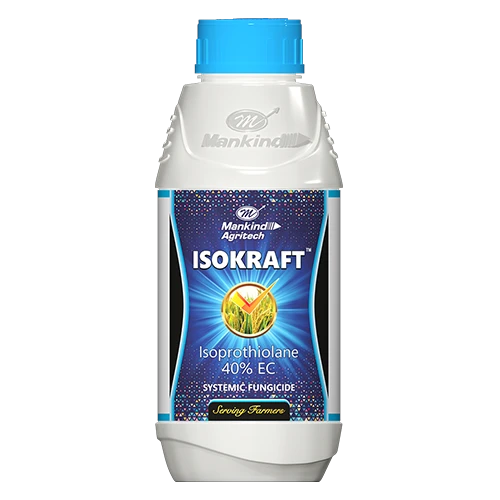
Isoprothiolane 40% EC
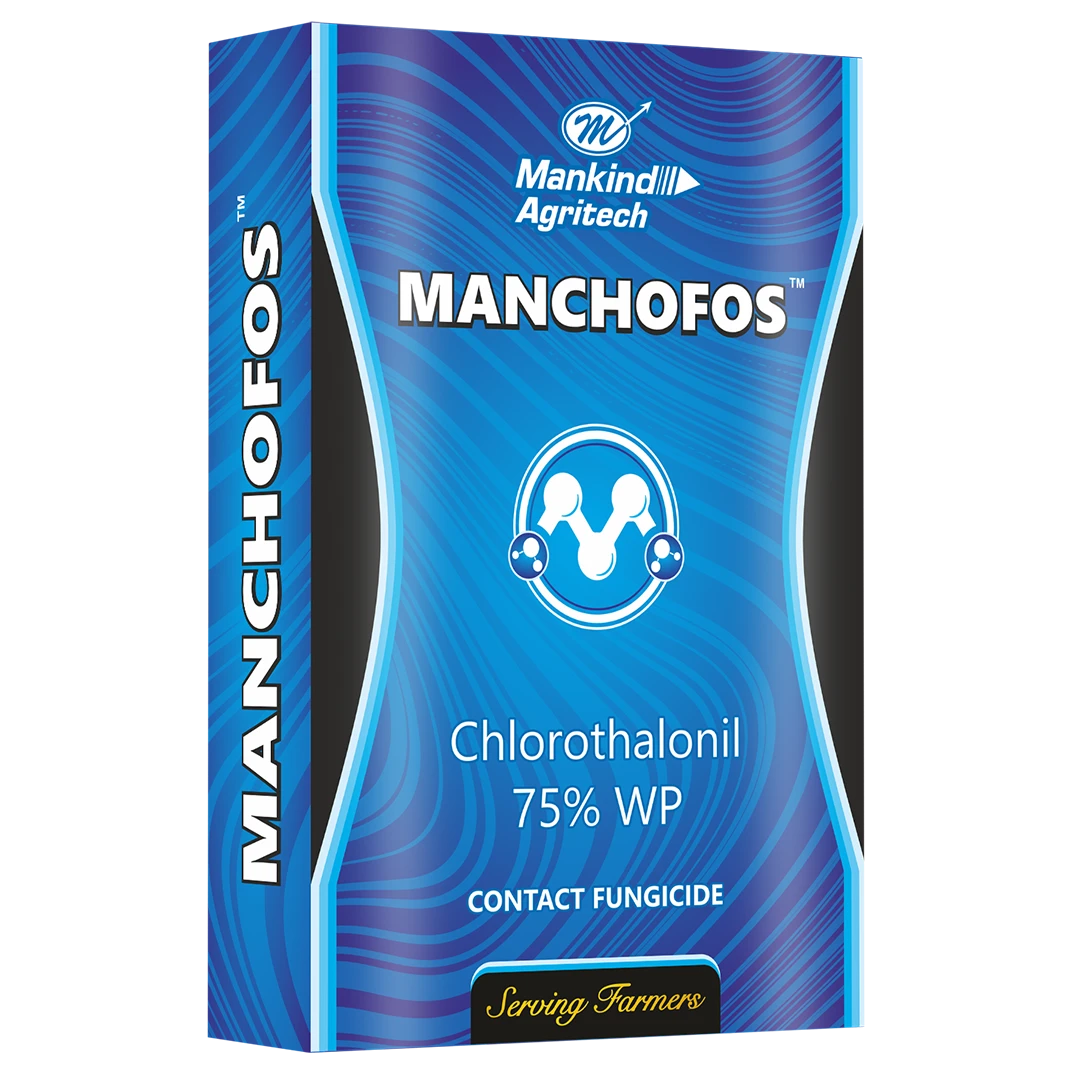
Chlorothalonil 75% WP
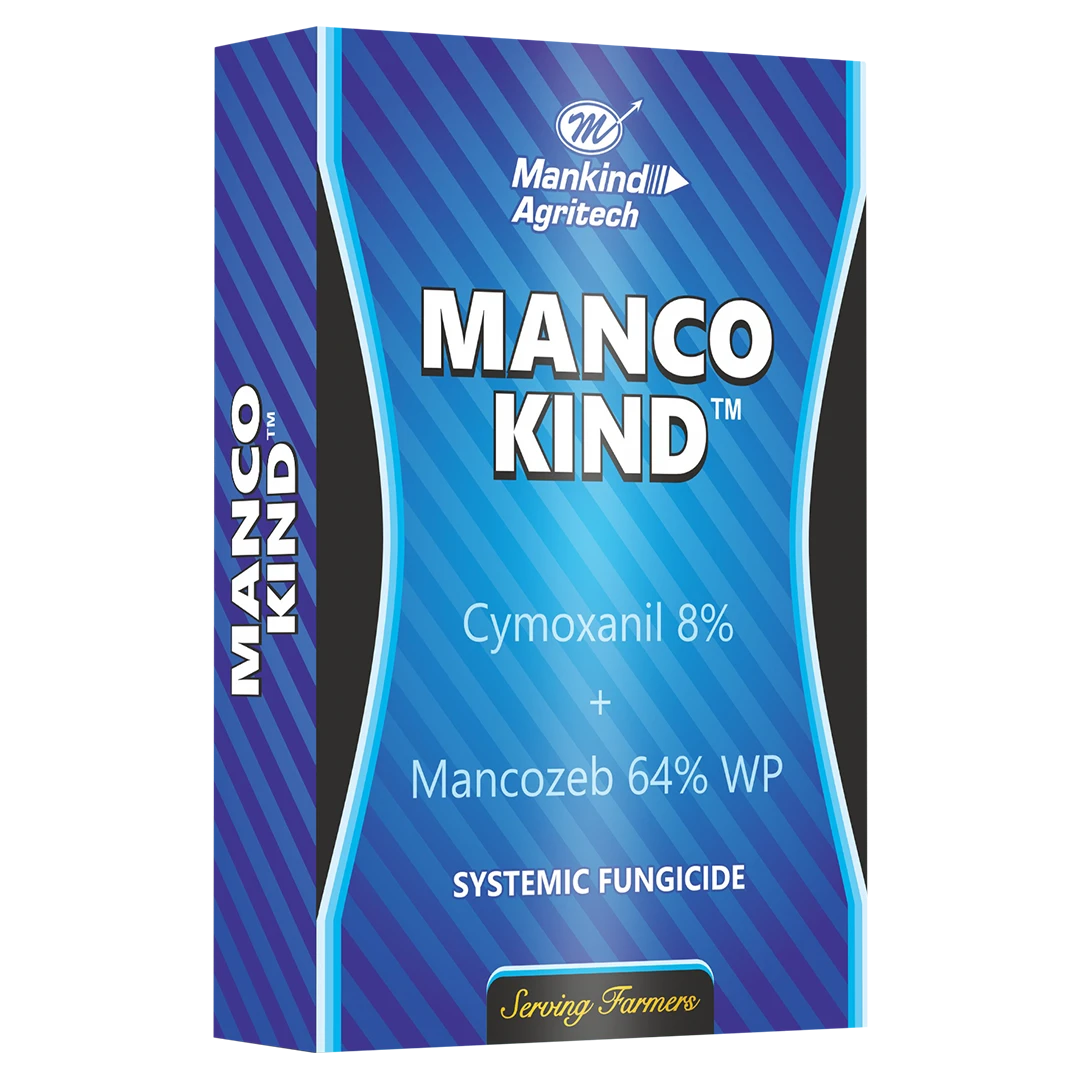
Cymoxanil 8%+Mancozeb 64 % Wp
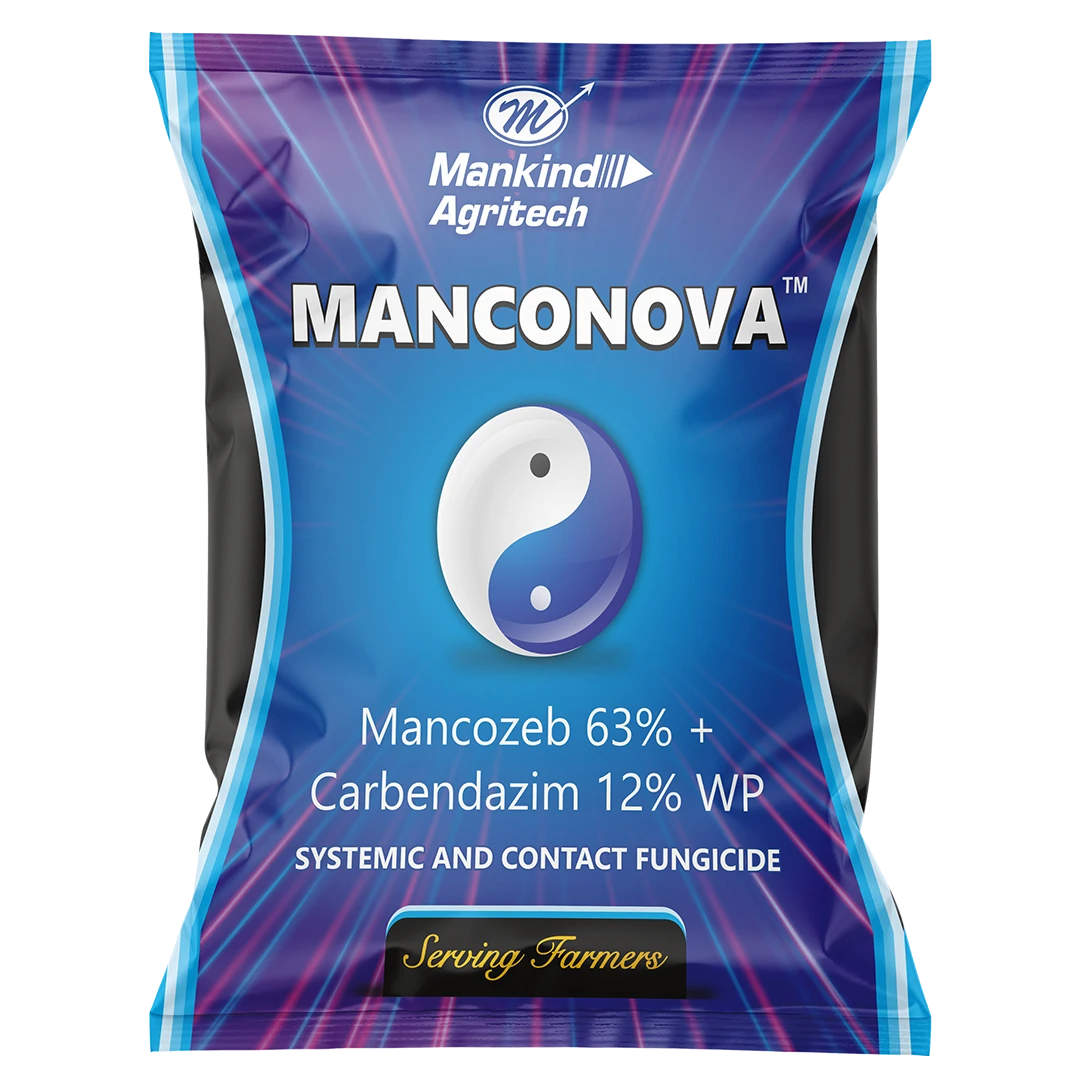
Mancozeb 63% + Carbendazim 12% WP
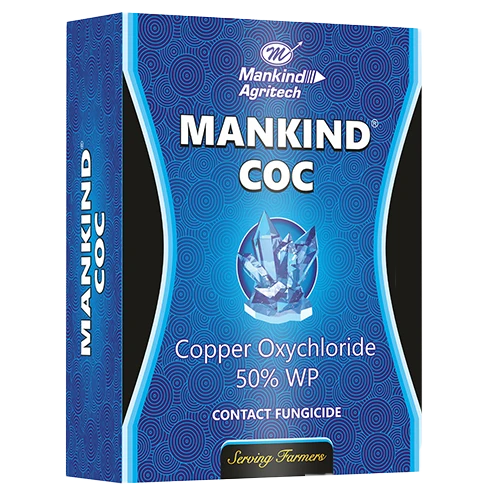
Copper Oxychloride 50% WP
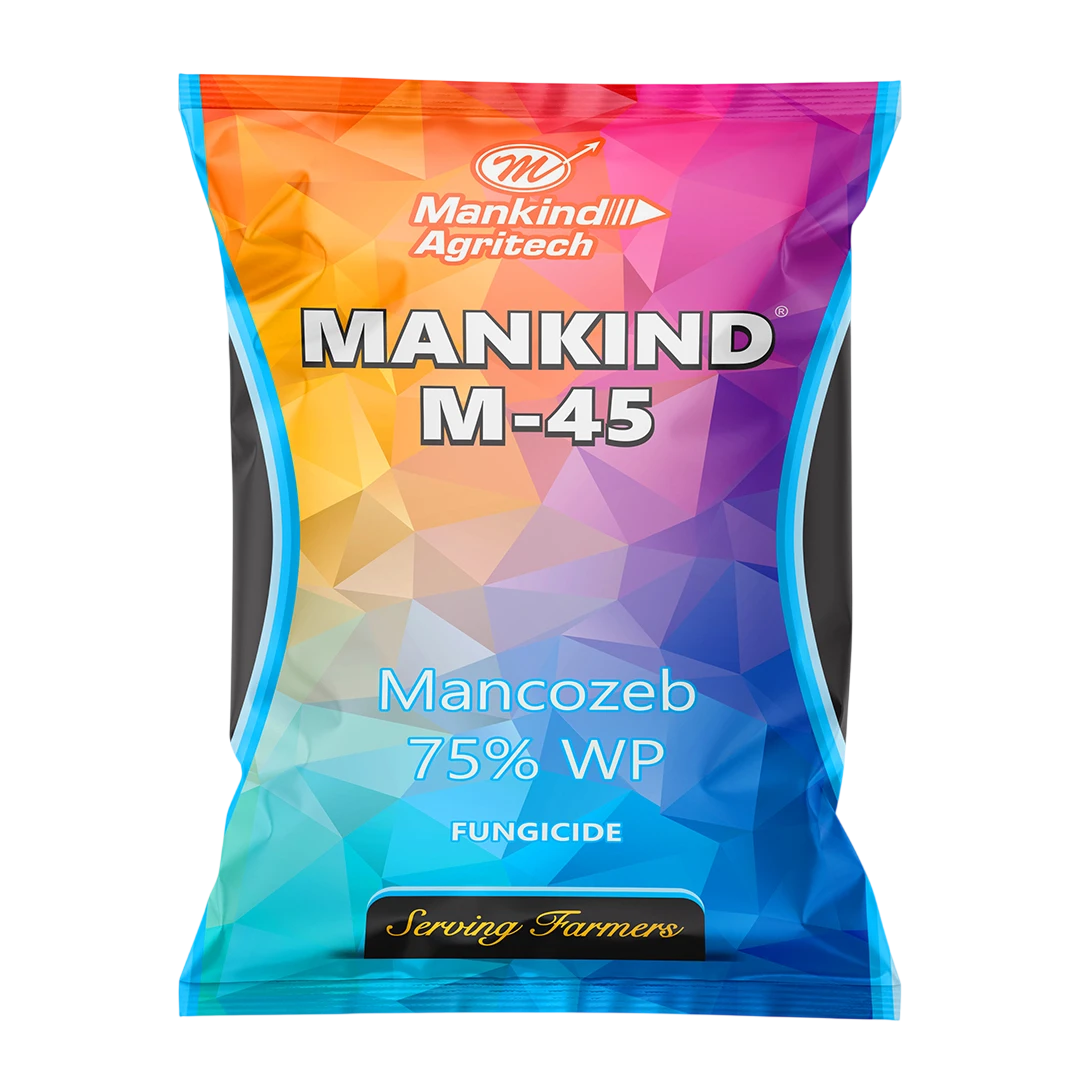
Mancozeb 75% WP
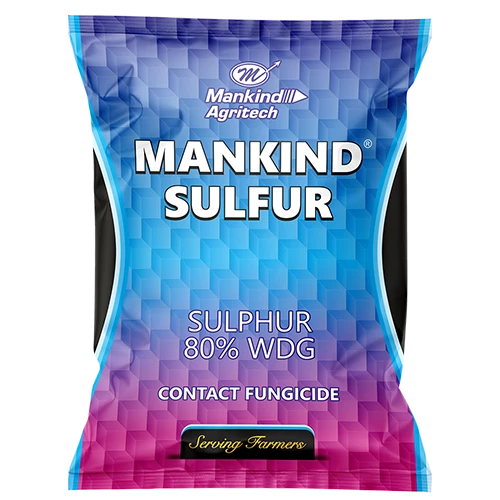
Sulphur 80% WDG
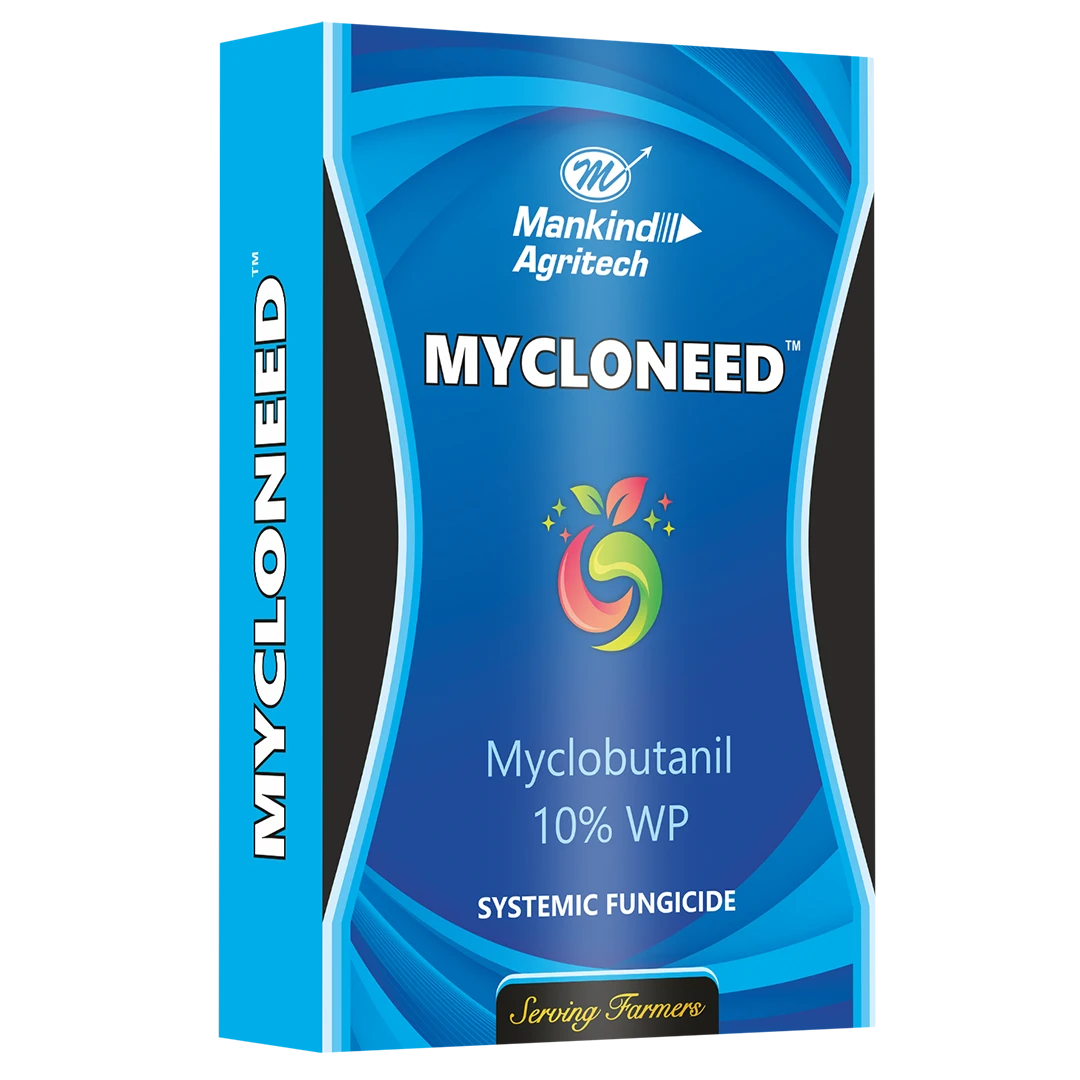
Myclobutanil 10% WP
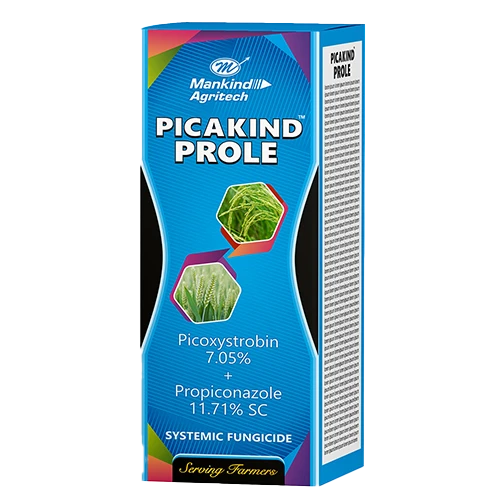
Picoxystrobin 7.05% + Propiconazole 11.71% SC
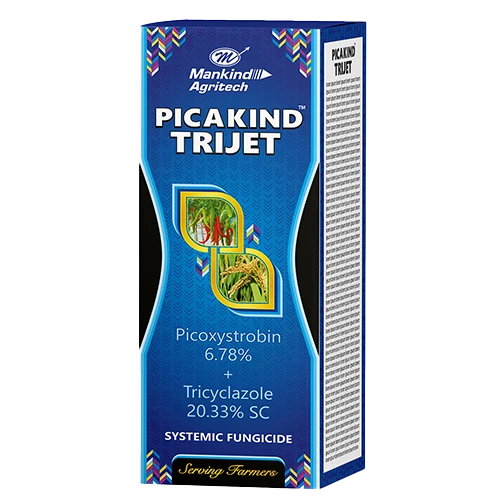
Picoxystrobin 6.78% w/w +Tricyclazole 20.33% w/w SC
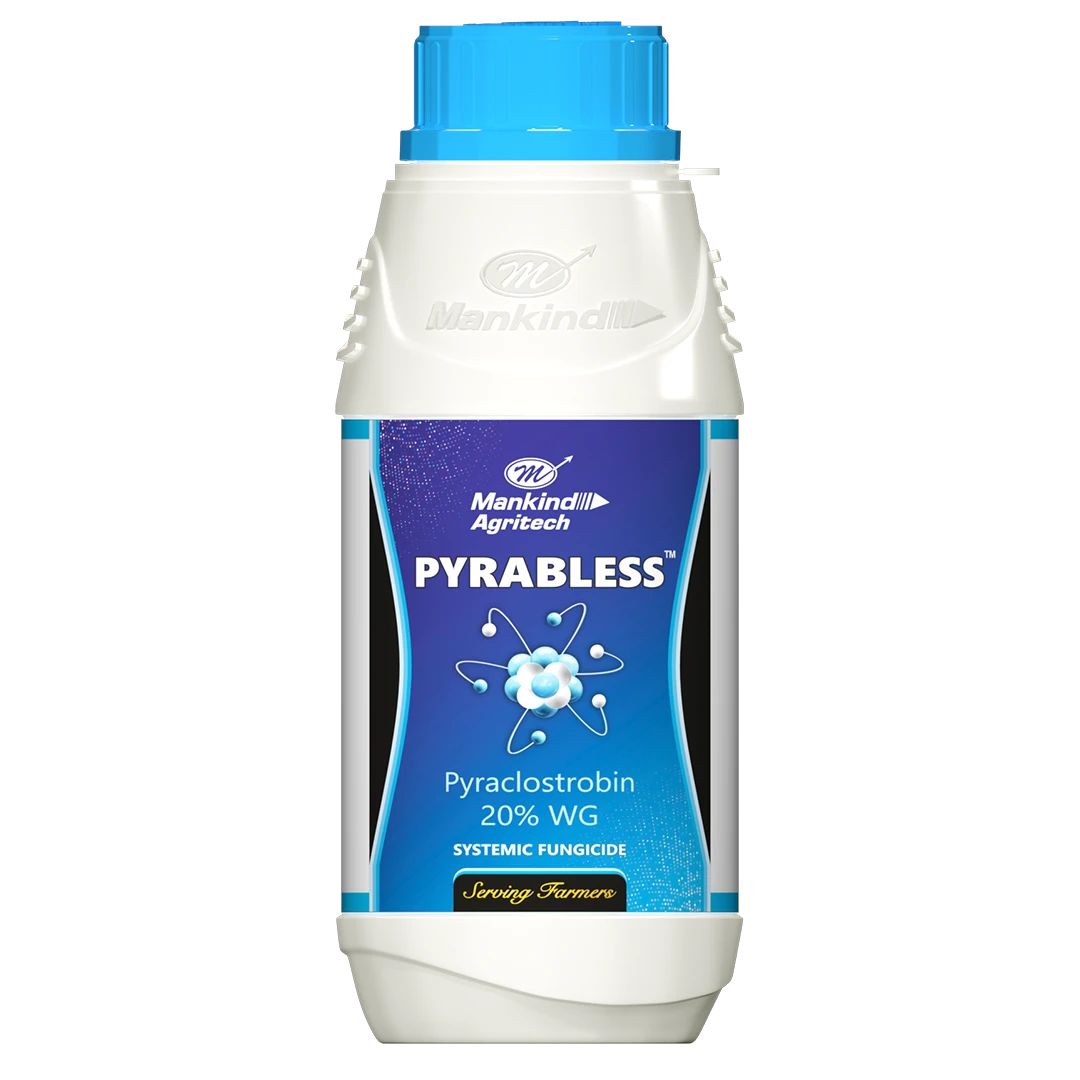
Pyraclostrobin 20 % WG

Dimethomorph 12% + Pyraclostrobin 6.7% WG
Fungal diseases are among the most damaging threats to crop productivity in India, causing significant losses in yield and quality across paddy, wheat, vegetables, fruits, and other major crops. Mankind Agritech offers a trusted range of fungicide solutions that help farmers effectively prevent, manage, and control a wide variety of fungal and oomycete diseases. Our fungicides are developed using advanced formulation technologies to ensure faster disease control, better rainfastness, and longer-lasting protection under Indian field conditions. From seed-borne diseases to foliar blights and wilts, our products cover the full spectrum of fungal disease management needs. Mankind Agritech is committed to…